
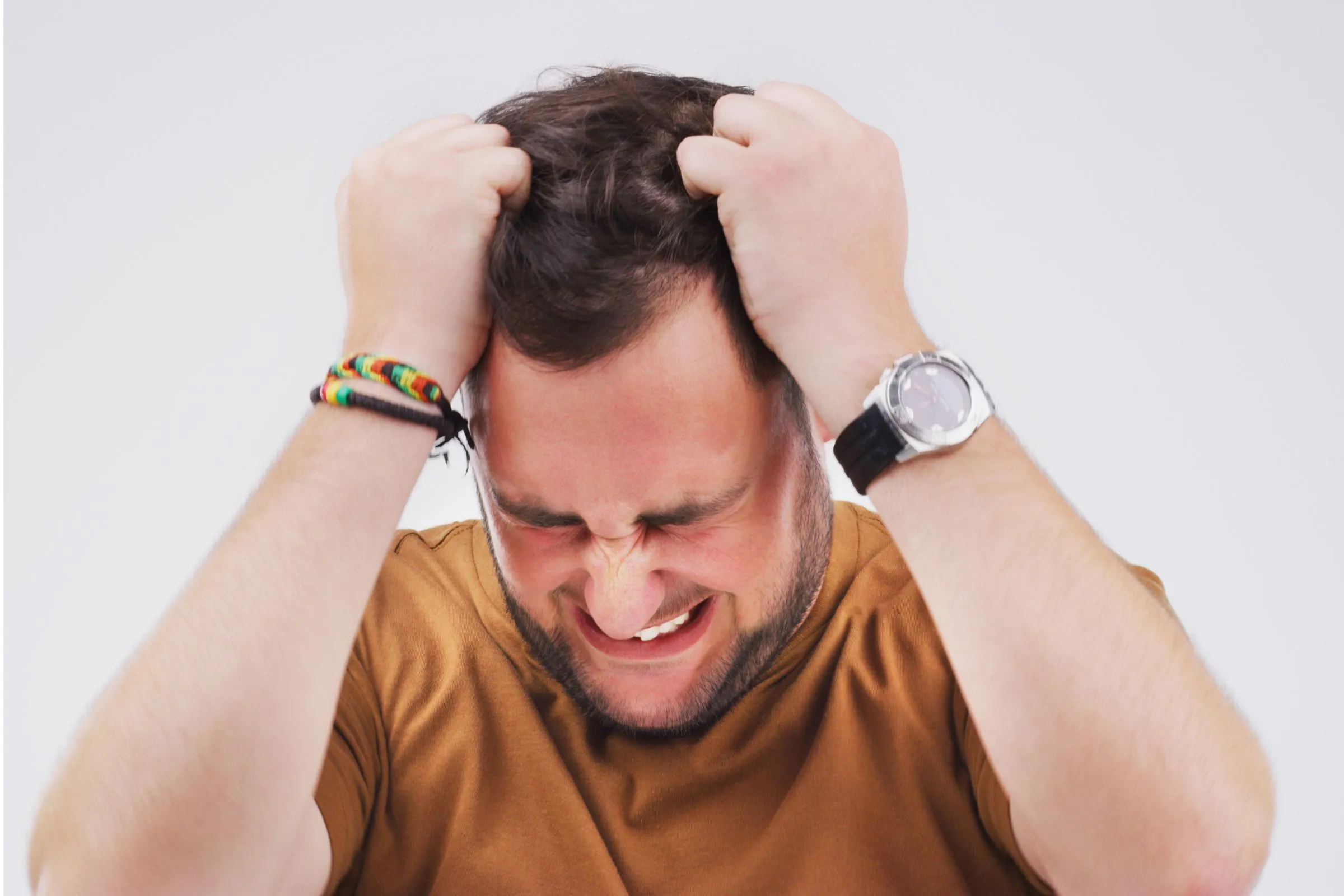
At Tampa Bay Recovery Center, we work closely with our patient to identify the underlying issues that contributed to compulsive repetitive behaviors such as hair pulling. Then we develop customized plans to alleviate their self-defeating urges and help them regain control of their behaviors.
**Learn more about outpatient mental health treatment in Tampa Bay, FL or verify your insurance today. **
What Is Compulsive Hair Pulling?
People who compulsively pull out their own hair may have developed a mental health condition called trichotillomania, or they may be engaging in this behavior as a type of self-harm.
Trichotillomania
As established in the fifth edition of the Diagnostic and Statistical Manual of Mental Disorders (DSM-5), the criteria for a diagnosis of trichotillomania include:
-
Recurrent pulling out of one’s hair, resulting in hair loss
-
Repeated attempts to decrease or stop the hair pulling
-
The hair pulling is a source of clinically significant distress or undermines a person’s ability to function at work, in school, at home, or in other important areas of life
-
The hair pulling or hair loss cannot be attributed to a medical condition or another mental health disorder
Trichotillomania is included in the Obsessive-Compulsive and Related Disorders section of the DSM-5.Other conditions in that section include:
-
Body dysmorphic disorder
-
Excoriation (skin-picking) disorder
-
Hoarding disorder
The common characteristics among these conditions are two general types of symptoms:
-
Obsessions: The DSM-5 defines obsessions as “recurrent and persistent thoughts, urges, or images that are experienced as intrusive and unwanted.”
-
Compulsions: Compulsions are described in the DSM-5 as “repetitive behaviors or mental acts that an individual feels driven to perform in response to an obsession or according to rules that must be applied rigidly.”
Self-Harm
If a person doesn’t have trichotillomania, they may be pulling out their own hair in an attempt to inflict pain or injury on themselves. This behavior is known by several terms including self-harm, self-injury, self-mutilation, and nonsuicidal self-injury (NSSI).
In addition to pulling out your own hair, other common types of self-harm are:
-
Cutting or scratching your skin
-
Burning your skin
-
Inserting needles beneath your skin
-
Picking at scabs to prevent healing
-
Punching yourself
-
Banging your head or body against walls
-
Exercising excessively
Why Does Pulling Hair Feel Good?
Why does pulling hair feel good?
If you’ve never struggled with trichotillomania, this may sound like a ridiculous question. Whether a person pulls out their hair due to a behavioral obsession or as an act of self-harm, there’s nothing “good” about what they’re doing, right?
Not exactly.
Yes, trichotillomania and hair-pulling as a means of self-harm can have a profound negative impact on a person’s life. But there are moments when these apparently self-defeating actions can actually cause people to experience positive emotions.
So, why does pulling hair feel good? Here are a few possible reasons:
-
Emotional relief: For people with trichotillomania and similar conditions, compulsive behaviors can provide momentary relief from the distress caused by their obsessions. In other words, resisting the urge to pull their hair may cause some people to experience increased psychological tension. Engaging in the act can alleviate that tension, causing a sense of relief.
-
Easingofstress: In some cases, hair pulling can be an attempt at coping with stress. It’s not uncommon for people to engage in unhealthy behaviors such as substance use in response to stress. Though hair pulling is not nearly as common of a stress response, it can serve the same purpose.
-
Need for punishment: Self-harm is sometimes an attempt by a person to punish themselves for what they believe is a failure or flaw.
-
Brain chemistry: When we do something that we enjoy, such as exercising, having sex, or eating chocolate, we experience pleasure due to the release of brain chemicals such as serotonin and dopamine. Unfortunately, self-harming actions such as pulling hair can sometimes trigger the release of these chemicals, which reinforces the behavior.
-
Cry for help: Self-harming behaviors can sometimes be attempts by people to call attention to psychological pain that they’re not able to express in words.
What Causes Compulsive Hair Pulling?
There’s no single cause for trichotillomania, similar mental health conditions, or other types of self-harm. Instead, several personal characteristics and external influences can contribute to these types of problems. Clinicians refer to these as risk factors.
According to the DSM-5, the two main risk factors for trichotillomania are:
-
Genetic vulnerabilities
-
Having a parent or sibling with OCD
A December 2023 review in the Journal of Psychiatric Research reported that risk factors for self-harm include:
-
Having depression, anxiety, or a personality disorder
-
History of abuse, neglect, and other adverse childhood experiences (ACEs)
-
Poor family relationships
-
Lack of friends
-
Substance abuse
-
Bullying
-
Exposure to others who engage in self-harming behaviors
Frequently asked questions
Can You Get Treatment for Compulsive Hair Pulling?
Yes, if you have trichotillomania or have been compulsively pulling your hair as a form of self-harm, treatment can help you learn how to manage your urges and regain control of your behavior.
Is there Medication for Trichotillomania?
No medications have been developed specifically to treat trichotillomania. But if your compulsive hair pulling is related to anxiety, depression, or another mental health disorder, medications to treat those concerns may lead to a reduction in hair pulling.
Is Trichotillomania Curable?
Most experts consider trichotillomania to be a chronic condition. This means that the goal of treatment is to help you manage your urges and regain control of your actions. The disorder itself may never technically be cured, but with the right help you can stop the behavior.
Does Self-Harm Increase Your Risk of Suicide?
Yes, self-harm is a risk factor for suicide. According to a May 2020 article in the journal Psychiatry Research, more than 50% of individuals who engage in deliberate acts of self-harm present a “significant suicide risk.” That study also noted that depression and anxiety have also been identified as predictors of suicidal behaviors among adolescents who self-harm.
Find Outpatient Treatment for Compulsive Behaviors and Self-Harm in Tampa Bay
Tampa Bay Recovery Center is a trusted source of customized outpatient treatment for adults whose lives have been disrupted by a variety of mental and behavioral health concerns, including trichotillomania and self-harm.
Treatment options at our center in St. Petersburg, FL, include a partial hospitalization program (PHP), an intensive outpatient program (IOP), and virtual treatment. Each program is staffed by a team of experienced professionals who are truly invested in our patients’ success.
To learn more call (813) 733-8774 or verify your insurance now.