
At Tampa Bay Recovery Center, our team of experts works closely with each patient to develop a personalized, evidence-based plan to help them stop their use of addictive drugs and start living a healthier life in recovery.
**Learn more about outpatient addiction treatment in Tampa Bay or verify your insurance now. **
How Does 7-OH Differ From Kratom?
7-OH stands for 7-hydroxymitragynine. It is a metabolite of mitragynine, which is the primary active alkaloid in the mitragyna speciosa plant. It is also present in trace amounts in the plant itself.
The mitragyna speciosa plant, in turn, is the source of kratom.
As described in a May 2019 ACS Central Science article, when a person uses kratom, their body converts mitragynine into 7-OH. This conversion is responsible for kratom’s opioid-like effects.
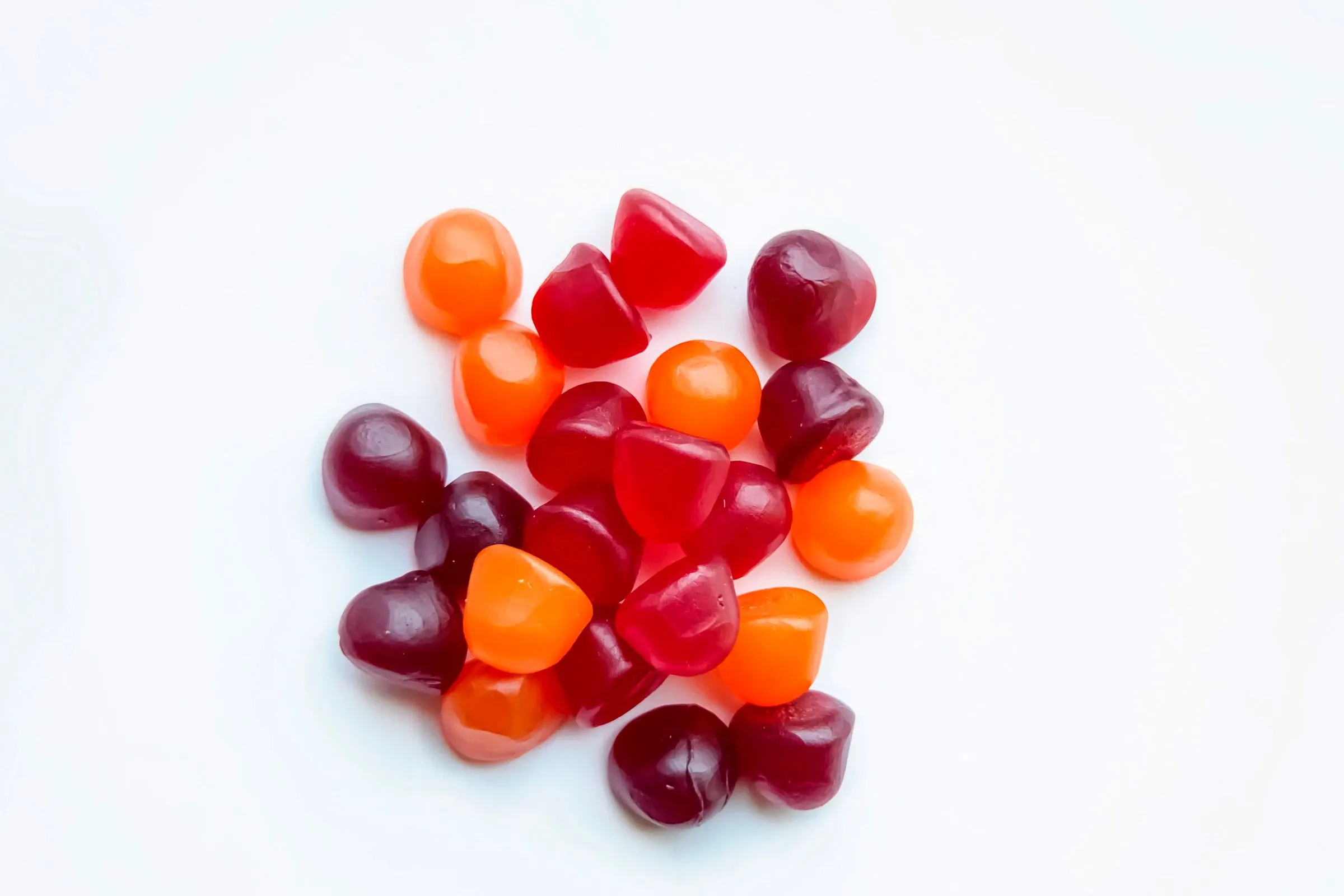
Though 7-OH is derived from kratom, the plant itself only contains an extremely small amount of the substance. But scientists have found a way to create synthetic 7-OH in a lab. This synthesized version of 7-OH is sold in tablet, candy, liquid, and powder form, often marketed as an herbal supplement.
Synthetic 7-OH is much more powerful than kratom, which means that people who use 7-OH products are at increased risk of many negative outcomes, include addiction and overdose. The risk is so severe the that U.S. Drug Enforcement Agency recently took emergency action to temporarily classify 7-OH as a Schedule I controlled substance.
What Happens During 7-OH Withdrawal?
One of the many dangers of 7-OH is that it can cause intense withdrawal symptoms when a person tries to stop using it. The severity of these symptoms can keep them trapped in a downward spiral of compulsive use, which can threaten their health and even jeopardize their life.
The type, severity, and duration of 7-OH withdrawal symptoms can vary from one person to the next. Factors that can influence the experience include:
-
The individual’s age, gender, and overall health
-
How long they’ve been using 7-OH
-
The typical amount and frequency of their 7-OH use
-
If they’ve also been using other substances
-
If they’ve been through withdrawal before
-
If they have any co-occurring mental health concerns
Symptoms
The experience of withdrawing from 7-OH is similar to what people go through when they’re trying to stop using prescription painkillers, fentanyl, or other opioids. The process often includes both physical pain and psychological distress.
The physical impact of 7-OH withdrawal can include:
-
Increased perspiration
-
Watery eyes
-
Runny nose
-
Accelerated heart rate
-
Fever and chills
-
Pain in muscles and bones
-
Abdominal cramping
-
Nausea
-
Vomiting
-
Diarrhea
-
Difficulty sleeping
From a mental health perspective, 7-OH withdrawal can involve symptoms such as:
-
Powerful cravings
-
Mood swings
-
Anxiety
-
Agitation
-
Irritability
-
Depression
-
Dysphoria (general sense of unease or discontent)
Timeline
7-OH withdrawal often occurs in five stages or phases:
-
Onset: The onset of 7-OH withdrawal symptoms can occur quite quickly, sometimes within 6-12 hours after your last dose, and almost always within a day after stopping. Initial symptoms often include restlessness, anxiety, watery eyes and runny nose, and insomnia.
-
Intensifying: Symptoms typically increase in both number and severity over the next 24-72 hours (two to three days). This is when many people have flu-like symptoms such as aching muscles, increased perspiration, abdominal cramping nausea, vomiting, and diarrhea. Elevated heart rate and blood pressure are also common during this period, as are powerful cravings for 7-OH.
-
Peak: Symptoms typically peak, or reach maximum intensity, around the third or fourth day after your last dose. They then should begin to slowly subside.
-
Improving: Just as it takes three or four days for symptoms to peak, it commonly takes around the same amount of time (72-96 hours) for them to dissipate. The bad news is that symptoms don’t suddenly disappear. The good news is that you should start to feel a bit better every day during this period.
-
Post-acute: The four stages above can all be grouped into the “acute” phase of 7-OH withdrawal. Most people should be back to full physical health by the end of the acute phase, though some experiencing lingering effects such as anxiety, cravings, and sleep problems. Unfortunately, these post-acute symptoms sometimes persist for several weeks or even months.
It’s important to remember that both the symptoms and the timeline can differ from what’s described above. Some people have a relatively easy time ending their 7-OH use, while for others the experience can be excruciating.
When you get help from a reputable addiction treatment provider, they can help you understand how you’re likely to be affected, which services can ease your discomfort, and what follow-on programming will best prepare you for successful recovery.
For more on withdrawal: Withdrawal Timelines
Frequently asked questions
If I Go Through Withdrawal, Does That Mean I’m Addicted?
Withdrawal is often but not always a sign of addiction. The best way to determine if you’ve developed an addiction to 7-OH or any other substance is to consult with your doctor or schedule an assessment at a reputable treatment center near you. For additional info, this May 2023 article in the journal World Psychiatry includes a full criteria for a substance use disorder diagnosis.
Is 7-OH Withdrawal Different Than Kratom Withdrawal?
7-OH withdrawal is a more intense experience than kratom withdrawal. It can cause more severe and longer-lasting symptoms. While it can be challenging to stop using kratom, the difficulty is often much higher for those who are attempting to quit 7-OH.
Do I Still Need Treatment After I Get Through 7-OH Withdrawal?
Treatment or some other type of follow-on support after getting through 7-OH withdrawal can be extremely important. Getting 7-OH out of your system is a great first step, but if you don’t address the issues that led to the problem in the first place, or don’t develop effective strategies for managing cravings and other threats to your recovery, your risk of relapsing can increase considerably.
What’s the Best Type of Therapy for 7-OH Addiction?
There’s no single best therapy or program for addictions to 7-OH or any other drug. What’s most important is to find a treatment provider that will take the time to understand your unique circumstances, then develop a truly customized plan that aligns with your specific needs and expectations.
Learn More About Outpatient Treatment for 7-OH Addiction in Tampa Bay
If you have become addicted to 7-OH or any other substance, please know that help is available. Tampa Bay Recovery Center is a trusted source of customized outpatient care for adults whose lives have been disrupted by addictions and co-occurring mental health concerns.
Treatment options at our rehab in St. Petersburg, FL, include a partial hospitalization program (PHP), an intensive outpatient program (IOP), and virtual treatment.
To learn more call (813) 733-8774 or verify your insurance now.